

 English
 русский
 Español
 Português
 عربى

Steel structures used in manufacturing plants, warehouses, construction projects, pipelines, and outdoor equipment are constantly exposed to moisture, temperature fluctuations, chemicals, and other corrosive conditions. Over time, untreated or inadequately protected steel can develop rust, coating deterioration, and surface damage, increasing maintenance demands and operational costs. As industrial buyers place greater emphasis on asset longevity, environmental compliance, and maintenance efficiency, choosing the right Steel Anti Rust Paint has become an important part of corrosion management. For manufacturers and procurement teams, the challenge is not simply finding a coating that covers steel, but selecting a protective solution suited to the actual working environment.
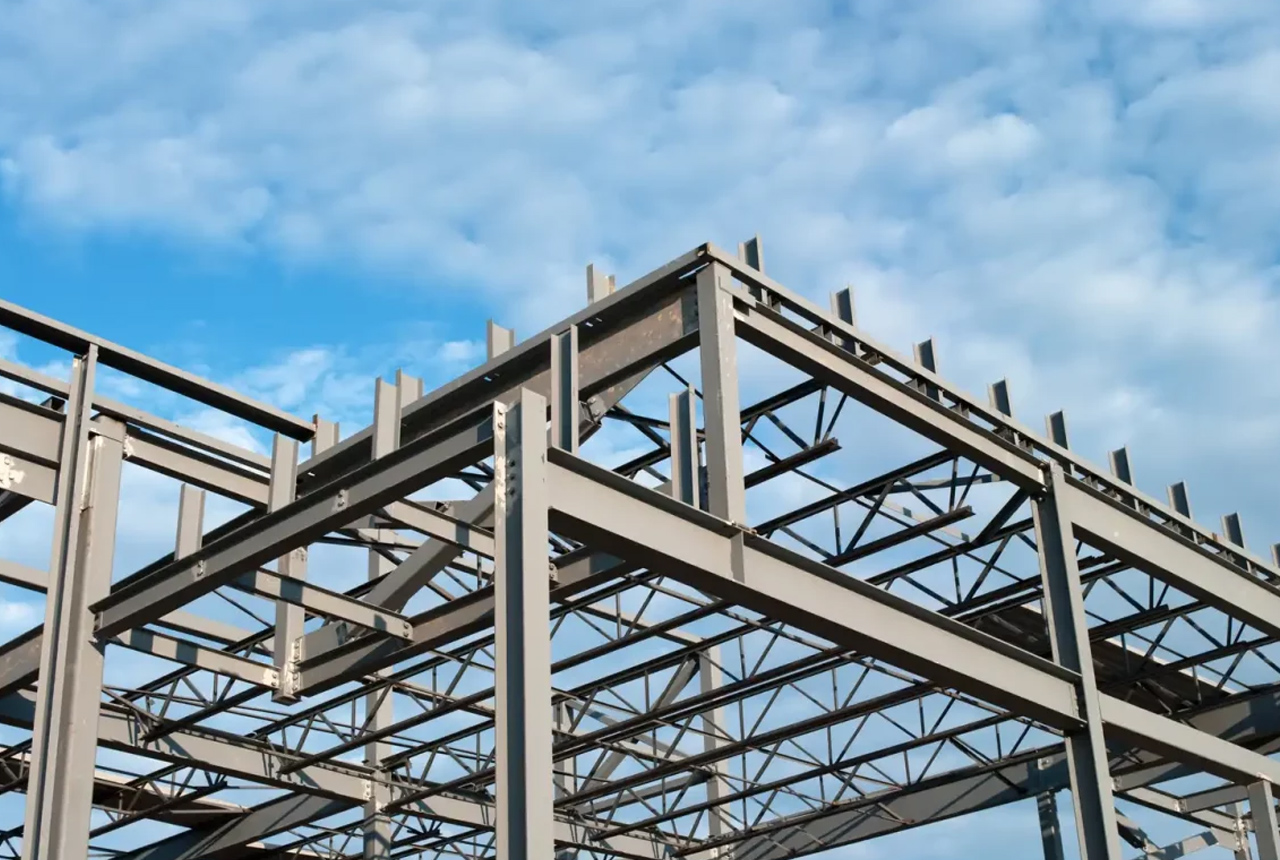
Why Are Industrial Buyers Paying More Attention to Long-Term Corrosion Protection?
In 2026, protective coatings are increasingly being evaluated through their contribution to equipment reliability and lifecycle costs. Industrial operators are looking beyond the initial purchase price and considering how frequently steel structures need repainting, how difficult maintenance access will be, and how coating failure could affect production schedules.
This change is particularly relevant to:
- Manufacturing facilities with steel machinery frames and production equipment.
- Construction contractors responsible for structural steel and metal components.
- Agricultural equipment manufacturers facing outdoor moisture exposure.
- Storage tank and pipeline operators managing corrosion risks.
- Metal fabricators supplying products for coastal and industrial environments.
A suitable anti-corrosion coating helps create a protective barrier between steel and its surrounding environment, reducing direct exposure to moisture and corrosive substances.
What Causes Conventional Steel Coatings to Fail Prematurely?
Rust development is not always caused by poor paint quality. In many projects, coating failure begins before the application process is completed. Improper surface preparation, unsuitable product selection, and inconsistent application can all reduce protective performance.
Common problems include:
- Insufficient surface cleaning: Dust, grease, loose rust, and mill scale can interfere with coating adhesion.
- Incorrect coating selection: A product designed for mild atmospheric exposure may not provide suitable protection in chemically aggressive or marine environments.
- Uneven film thickness: Thin areas around edges, welds, and corners can become vulnerable to corrosion.
- Unsuitable application conditions: Temperature, humidity, and surface moisture can influence drying and film formation.
As a manufacturer, we recommend evaluating the complete application process rather than judging a protective coating by its appearance alone.
How Does Proper Surface Preparation Improve Paint Performance?
Surface preparation is one of the most important considerations when applying anti-rust coatings to steel. Even a carefully formulated product may underperform if applied over contaminated or unstable surfaces.
For new steel components, preparation generally involves removing oil, grease, dust, and loose surface contaminants. Depending on the project specification, mechanical cleaning or abrasive blasting may also be required to achieve the appropriate surface profile.
For maintenance projects, existing coatings should be inspected before repainting. Areas with blistering, peeling, or advanced corrosion may require localized removal and repair.
Our technical recommendation is to establish surface preparation requirements before selecting the coating system. This helps manufacturers, contractors, and maintenance teams achieve more consistent application results.
Which Steel Anti-Corrosion Coating Is Suitable for Your Application?
Different industrial environments require different coating characteristics. Buyers should consider the substrate condition, exposure category, expected service life, and maintenance accessibility.
For example:
- Epoxy anti-rust coatings: Often selected for industrial steel structures where adhesion, chemical resistance, and barrier protection are important.
- Zinc-rich primers: Used in specified protective systems where sacrificial corrosion protection is required.
- Alkyd anti-rust paints: Commonly considered for general-purpose steel protection in less demanding atmospheric environments.
- Waterborne protective coatings: Worth evaluating when lower VOC emissions and application requirements are important purchasing considerations.
The correct solution depends on the complete coating system. Primer compatibility, intermediate coats, topcoat selection, and recommended dry film thickness should all be considered together.
Are Low-VOC Coatings Changing Industrial Purchasing Decisions?
Environmental requirements are becoming a more important consideration in the protective coatings sector. Industrial buyers increasingly evaluate volatile organic compound (VOC) content, workplace exposure, application efficiency, and waste management when comparing coating suppliers.
Waterborne and high-solids technologies are receiving attention because they can help reduce solvent emissions compared with conventional solvent-rich alternatives. However, lower VOC content alone does not establish whether a product is suitable for a particular corrosion environment.
When sourcing steel protective paint, buyers should request technical data sheets, safety data sheets, application instructions, and relevant compliance documentation. Comparing these details helps procurement teams balance environmental requirements with practical coating performance.
What Should Buyers Check Before Placing a Bulk Paint Order?
For distributors, engineering contractors, and industrial manufacturers, product consistency and supply reliability are just as important as the coating formulation.
Before confirming an order, we suggest checking several practical details:
- Compatibility with carbon steel or the specified metal substrate.
- Recommended surface preparation and application methods.
- Wet and dry film thickness requirements.
- Drying time and recoating intervals.
- Packaging specifications and storage conditions.
- Available technical documentation and customization options.
As a coating manufacturer, we understand that different projects have different application conditions. Providing clear product specifications and discussing the intended use in advance can help buyers reduce selection errors and improve project coordination.
How Can Manufacturers Support More Reliable Steel Corrosion Protection?
Effective corrosion management requires cooperation between coating manufacturers, applicators, engineers, and purchasing teams. Product formulation is only one part of the process; technical communication, batch consistency, quality inspection, and application guidance also influence the final result.
We believe that a practical coating solution should be developed around the customer's actual requirements, including substrate conditions, exposure environments, application equipment, and project budgets. This approach allows buyers to evaluate products based on technical suitability rather than relying solely on price comparisons.
For companies sourcing Steel Anti Rust Paint, working with an experienced manufacturer can make product selection and bulk purchasing more straightforward. By matching coating characteristics with real operating conditions, businesses can improve steel surface protection, manage maintenance requirements, and make more informed long-term purchasing decisions.
 Previous
