

 English
 русский
 Español
 Português
 عربى
عربى
Continuous production is a defining feature of many industrial facilities, making downtime one of the biggest concerns during maintenance projects. A question often raised by users is whether painting can be completed without interrupting operations, especially in environments where even short shutdowns lead to significant financial losses.
In Industrial Building Painting, maintaining operational continuity has become a core requirement rather than an added benefit. A professional Industrial Coatings Company must not only deliver coating performance but also design workflows that integrate with ongoing production.
Painting Without Shutdown: Is It Realistic?
For many facility managers, the idea of painting while operations continue may seem risky. However, modern practices show that it is not only possible but widely implemented across industries.
In fact, industrial painting is frequently carried out in active facilities using structured planning, safety controls, and specialized materials. With proper coordination, production lines, machinery, and workforce activities can continue alongside coating work.
Users often highlight that the real challenge is not whether it can be done, but how to execute it without compromising safety or coating quality.
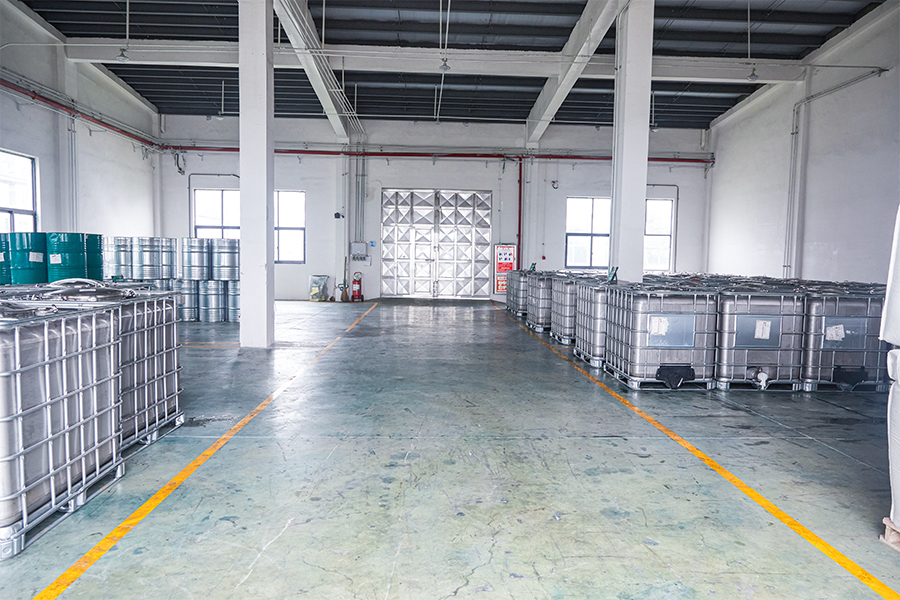
1. Phased Work and Zoning Strategy
A commonly discussed solution is dividing the facility into manageable zones. Instead of painting the entire building at once, work is carried out section by section.
This approach allows:
One area to be painted while others remain operational
Clear separation between work zones and production zones
Controlled workflow without disrupting key processes
Facilities often create zone maps to identify critical production areas that must remain active, ensuring that painting activities are scheduled around them.
This phased execution is considered one of the more effective ways to balance maintenance and productivity.
2. Off-Hours and Flexible Scheduling
Another solution frequently mentioned by users is scheduling painting during off-peak hours.
Industrial painting teams often work:
Overnight shifts
Weekends or holidays
Planned maintenance windows
This reduces overlap between painting crews and production staff, minimizing interference. Many facilities report that combining night work with phased planning allows large-scale projects to progress without noticeable disruption.
Flexible scheduling is especially useful in 24/7 operations where complete shutdowns are not feasible.
3. Use of Fast-Curing and Low-Impact Coatings
Material selection plays a key role in enabling painting without stopping production.
Users often ask which coatings are suitable for active environments. Modern coating technologies provide several options:
Fast-curing systems that reduce downtime between application and use
Low-VOC coatings that improve air quality
Low-odor formulations suitable for occupied spaces
These coatings allow surfaces to return to service quickly and reduce the impact on workers and equipment.
Choosing the right coating system ensures that painting activities align with operational requirements.
4. Safety and Containment Measures
Safety remains one of the biggest concerns raised by users. Painting in an active facility requires strict control of hazards such as fumes, dust, and overspray.
To address this, industrial projects typically include:
Containment barriers to isolate work areas
Ventilation systems to manage air quality
Clear access control and safety signage
These measures protect both workers and ongoing operations, allowing painting to proceed safely alongside production activities.
Without proper containment, painting in active environments can introduce risks that outweigh the benefits.
5. Coordination With Facility Operations
Users frequently emphasize the importance of communication between painting teams and facility management.
Successful projects rely on:
Daily coordination meetings
Clear scheduling aligned with production plans
Defined responsibilities for both teams
This collaboration ensures that unexpected issues—such as access restrictions or operational changes—are managed efficiently.
Industrial painting is not an isolated activity; it must be integrated into the broader operational system of the facility.
6. Situations Where Partial Downtime Is Still Needed
Although painting without shutdown is achievable, users also point out that certain tasks may still require limited downtime.
Examples include:
Coating high-traffic floors that need curing time
Painting confined or hazardous areas
Applying coatings on critical machinery
In such cases, short and planned downtime is often scheduled to ensure safety and coating performance.
This hybrid approach—combining active-operation painting with targeted downtime—provides a practical balance.
Manufacturer Perspective on Non-Disruptive Painting
From a manufacturer’s perspective, minimizing operational disruption requires more than just advanced coatings. It involves a combination of product design, technical support, and application strategy.
Zhejiang Chenchong New Material Technology Co., Ltd. focuses on developing coating systems that support fast curing, environmental adaptability, and durability under continuous operation conditions. By aligning coating performance with real production environments, manufacturers can help facilities maintain both protection and productivity.
In addition, providing clear application guidelines helps ensure that coating systems perform reliably even in complex, active environments.
 Previous