

 English
 русский
 Español
 Português
 عربى
عربى
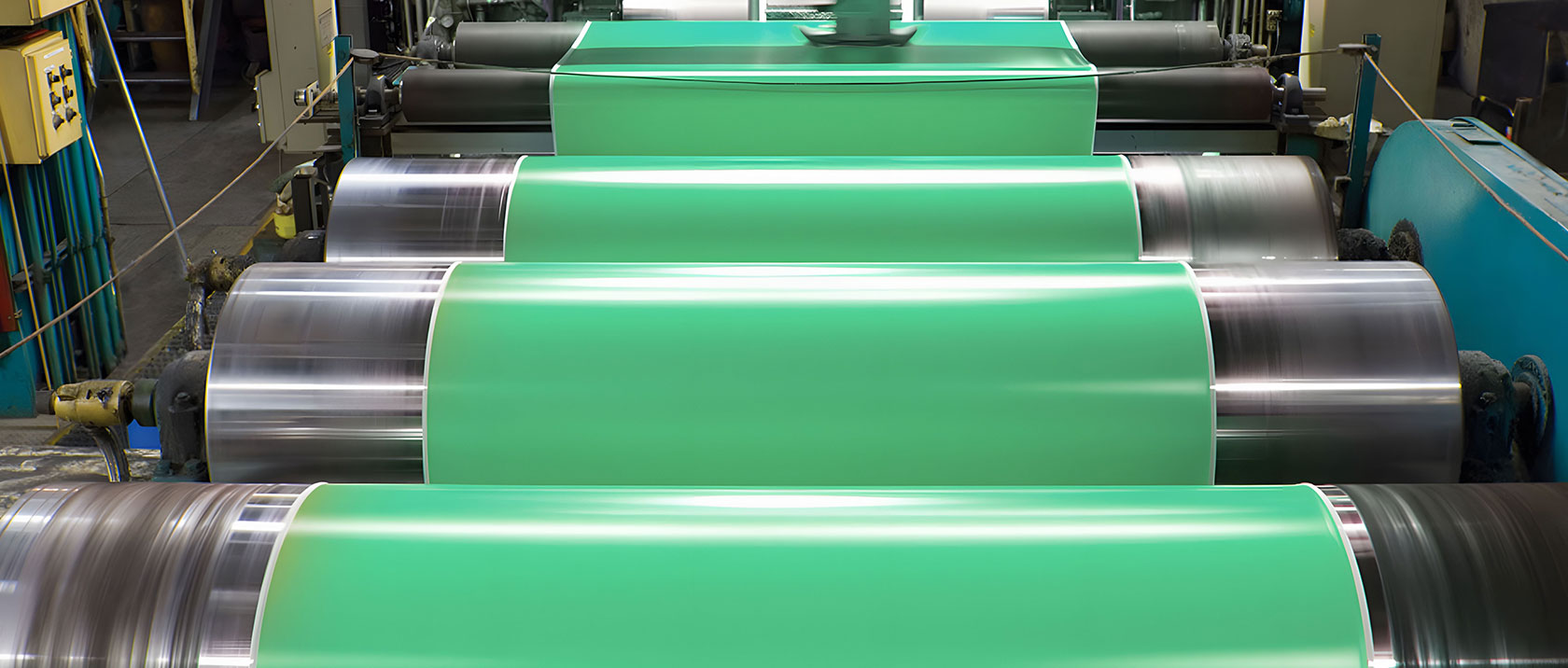
For manufacturers working with pre-painted steel or aluminum, selecting Coil Coating Paint is no longer simply a question of color or surface appearance. The coating needs to work with the metal substrate, forming process, curing conditions, and final service environment. Overseas buyers are also paying closer attention to VOC emissions, energy consumption, coating efficiency, and long-term surface performance. These factors are making paint selection an important part of production planning rather than a final finishing decision.
Start With the Finished Metal Product
The most suitable coating depends on what the coated coil will become. Roofing panels, wall cladding, appliance components, HVAC parts, and fabricated metal products can face very different forming and service conditions.
Before requesting a quotation, buyers should clarify:
- Substrate type, such as steel or aluminum
- Indoor or outdoor application
- Required forming and bending operations
- Expected exposure to sunlight, moisture, or chemicals
- Appearance, gloss, and color requirements
- Production and curing conditions
Providing this information helps the coating manufacturer recommend a system based on the actual application instead of relying only on a color sample.
Resin Selection Should Match the Application
Different coating systems can provide different combinations of flexibility, weather resistance, surface appearance, and protection. A coating that performs well in one application may not be the appropriate choice for another production environment.
For procurement teams, the important question is not simply which color is available. They should also consider the required resin system, film performance, forming conditions, and expected service environment.
A clear coating specification can make communication between the buyer, production team, and manufacturer much easier, especially when the same coated material will be purchased repeatedly.
Can the Coating Handle Forming Operations?
A coated coil is often only the starting material. It may later be roll formed, bent, cut, stamped, or fabricated into a finished component. These processes can place mechanical stress on the coating and substrate.
If the coating does not match the forming process, surface cracking, adhesion problems, or other defects may become more difficult to control. Buyers should therefore provide information about bending radius, forming method, substrate thickness, and production conditions when discussing a coating system.
From a manufacturing perspective, coating selection should always consider what happens to the metal after painting.
Curing Conditions Can Affect Production Efficiency
Curing is another important part of coil coating. The paint system needs to work with the production line's heating method, line speed, and temperature control. A mismatch between the coating and curing conditions can affect production consistency and create unnecessary adjustment work.
For buyers evaluating different coating solutions, useful questions include:
- What curing conditions are recommended?
- Is the coating compatible with the existing production line?
- How sensitive is the coating to temperature changes?
- Can the required surface performance be achieved under current production conditions?
Discussing these points before production helps reduce avoidable trial-and-adjustment work.
Sustainability Is Becoming Part of Coating Selection
Environmental requirements are becoming more relevant to industrial coating procurement. VOC management, energy consumption, material efficiency, and paint waste can all influence the overall production process.
For manufacturers, this means sustainability should not be treated as a separate topic from technical performance. A practical coating solution needs to balance application requirements with production efficiency and environmental considerations.
Buyers can also ask suppliers about coating utilization, curing requirements, solvent or water-based formulation options where applicable, and production waste management.
Consistent Quality Matters for Repeat Orders
A coating specification is useful only when the same requirements can be maintained from one production batch to another. Color consistency is important, but buyers should also consider film thickness, adhesion, surface appearance, and performance after forming.
From the manufacturer's perspective, stable raw-material control, controlled coating application, curing management, and inspection procedures all contribute to consistent production.
For long-term procurement, buyers should communicate their quality requirements clearly and confirm how the supplier manages batch-to-batch consistency before placing regular orders.
Build the Specification Around the Complete Process
The right Coil Coating Paint should fit the complete manufacturing chain, from substrate preparation and coating application to curing, forming, transportation, and final use. As metal processors continue to pay attention to coating efficiency, environmental requirements, energy use, and functional surface performance, buyers can make more informed decisions by discussing their actual production conditions with an experienced coating manufacturer instead of selecting paint based only on appearance.
 Previous